When Immigrant Children Stand Alone in Court
Take Action Now to Protect Unaccompanied Children

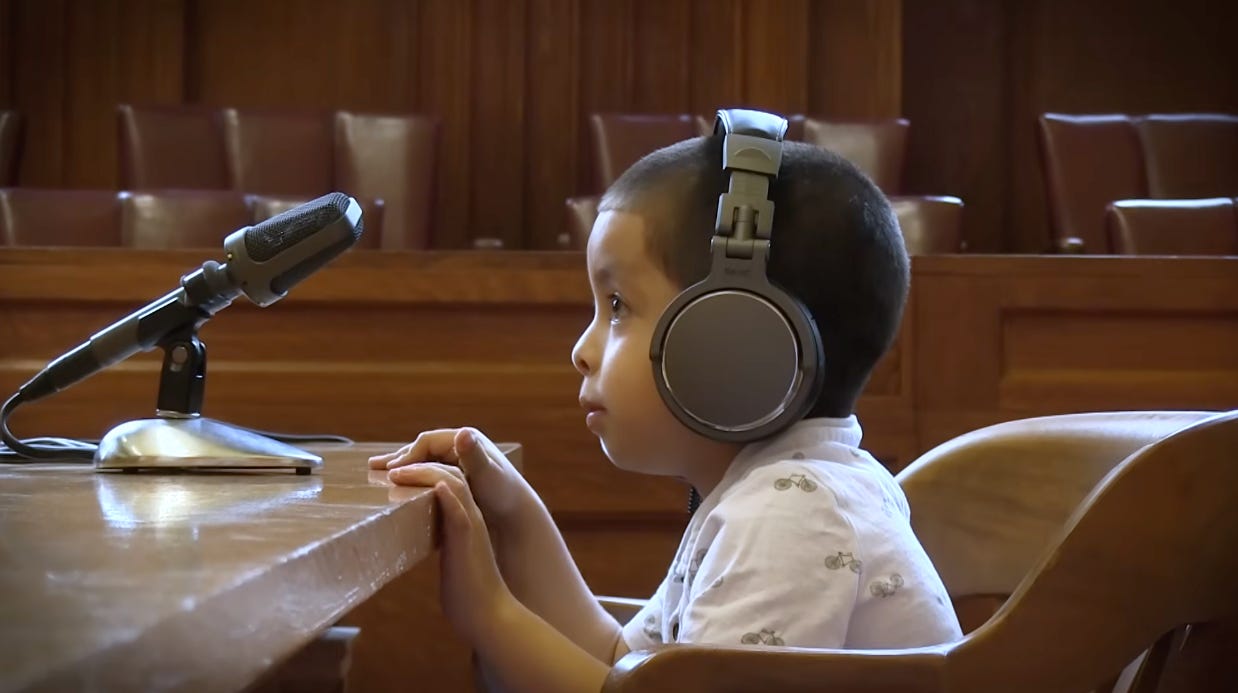
Nearly two decades ago, Congress made a promise to unaccompanied immigrant children: if you come to the United States, your case will be heard in a court of law and you will have access to a lawyer. That commitment led to the creation of the Unaccompanied Children Program, with bipartisan support in Congress, in recognition that children cannot be expected to navigate one of the nation’s most complex legal systems alone. Many of these unaccompanied children arrived after fleeing violence or trafficking, trusting that America would honor its promise to protect those in danger.
When the federal government makes it increasingly difficult for these children to have legal counsel, it turns the promise of due process into a pathway to deportation.
Since President Trump returned to office, his administration has made a coordinated effort to weaken and disassemble longstanding legal aid programs for immigrant children while accelerating deportation proceedings. Each policy change seems designed to reduce access to legal representation and dismantle the network of providers, limit avenues for relief, accelerate removals, and make it easier to remove children before they can fully present their claims in a courtroom.
In February 2025, the Trump administration abruptly canceled the program that helps unaccompanied immigrant children navigate court proceedings with legal counsel by their side. In July 2025, a group of young people filed a class action lawsuit against the administration’s decision to end the protection from deportation and work permits provided to those granted Special Immigrant Juvenile Status while they waited to apply for green cards. An attorney for the plaintiffs said, “These young people have survived abuse, abandonment, and neglect only to be retraumatized now by the constant threat of detention and deportation from the same agencies that vowed to keep them safe.”
The administration also targeted the families of unaccompanied children, when the federal government required parents looking to reunite with their children who crossed into the U.S. alone to show up for interviews where immigration officers may question them. Legal advocacy groups say the shift led to the arrest of some parents, while their children remain in U.S. custody.
Unaccompanied children finally had a small victory when a judge issued a Temporary Restraining Order to restore funding for the program that provides these young immigrants with legal services. The win was short-lived. After the ruling, the administration withheld payments for work that legal service providers had already completed while simultaneously demanding sensitive information about their young clients that would require attorneys to cross ethical boundaries.
The consequences across the legal service provider network have been dire. Children could be forced to represent themselves in court, alone, against experienced government attorneys. Legal organizations are now experiencing severe financial consequences and are faced with mass layoffs. When attorneys lose their jobs, children lose their legal representation.
Unaccompanied children who turn 18 are now being detained and removed at nearly three times the rate seen during the final years of the first Trump administration, with courts issuing more than 10,000 removal or voluntary departure orders for immigrant children each month.
Reports have described children “so young their feet can’t touch the floor when they sit in courtroom chairs.” Many now appear without attorneys to guide them through hearings or explain an extraordinarily complex legal process.
A CNN investigation found that immigration hearings for children were advanced by weeks or even months, often with little notice. In some cases, hearings scheduled years in the future were abruptly moved up, forcing young children into court soon after arriving in the United States. The push for speed has extended to immigration judges, with reports that the Department of Justice has fast-tracked cases and removed judges they viewed as out of step with the administration’s priorities.
The administration has also begun restructuring the network of facilities that house and support unaccompanied children until they are united with a sponsor. Officials closed dozens of shelters and reduced capacity in states like New York while expanding facilities in Texas and Louisiana.
As oversight of these facilities in Texas is reduced, more children could face immigration hearings without legal representation or feel pressured to accept voluntary departure. In Louisiana, the administration is constructing a new 528-bed holding facility next to a major airport, raising concerns that the system is being redesigned to move children through deportation proceedings more quickly rather than ensure meaningful access to legal protections. These moves suggest a deliberate effort to reshape the immigration system for children.
For decades, there was bipartisan agreement that children should not face our legal system alone. As those safeguards are steadily dismantled, thousands of immigrant children are left to navigate life-altering legal proceedings with fewer protections, fewer advocates, and far less time. A child’s future should not be decided by a system purposefully designed to move faster than they can understand, respond to, or defend themselves.
Now, more than ever, we must protect children’s access to the trusted lawyers and advocates who know their stories, understand their needs, and can ensure their voices are heard. There is still time to call on the administration to protect the legal rights of unaccompanied children, restore critical funding for legal service providers, and demand full transparency about the administration’s plans for every child currently in federal custody.
Tell Congress to protect unaccompanied children and support legal service providers to continue to do their jobs.